Blanching Bok Choy for Freezing: The Ultimate Guide to Avoiding Mushiness
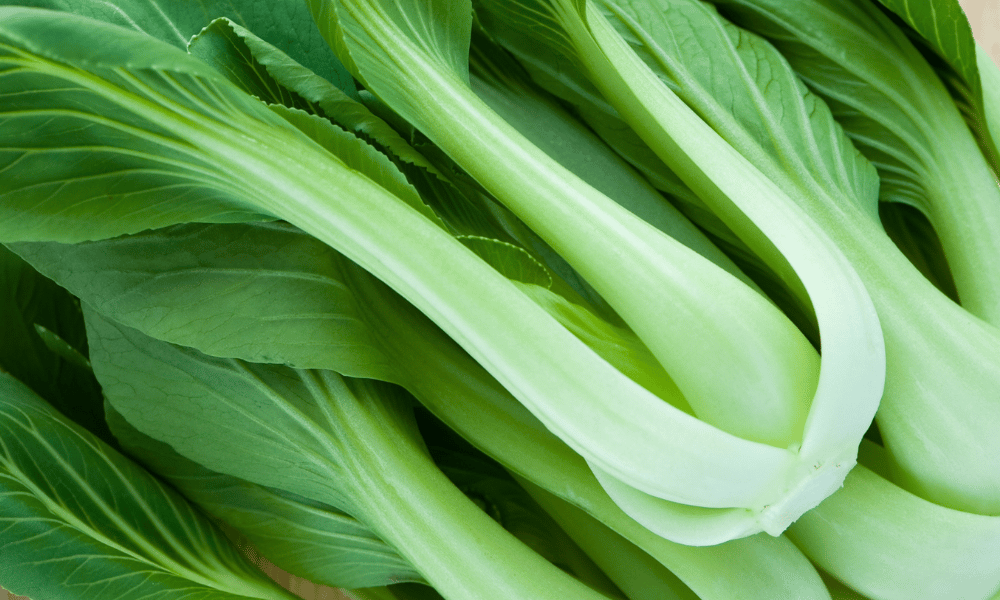
Bok choy, with its tender green leaves and crisp white stalks, is a versatile and nutritious addition to countless dishes. From stir-fries to soups, its mild, slightly peppery flavor is a culinary delight. However, like many leafy greens, fresh bok choy has a notoriously short shelf life, often wilting and spoiling within days. This rapid perishability leaves many home cooks wondering: can I freeze bok choy to extend its life, and more importantly,
how to freeze bok choy without it turning mushy? The answer is a resounding yes, but the path to perfectly preserved bok choy often involves a critical decision: to blanch or not to blanch?
Freezing bok choy is a game-changer for reducing food waste and ensuring you always have this healthy vegetable on hand. Yet, without the right technique, you might end up with a defrosted, watery mess that's a far cry from its fresh, crisp counterpart. This article will delve into the nuances of freezing bok choy, exploring the blanching debate, offering step-by-step instructions for both methods, and providing crucial tips to help you maintain its delightful texture and flavor.
The Great Debate: To Blanch or Not to Blanch Bok Choy?
When it comes to freezing vegetables, blanching – a brief dip in boiling water followed by an immediate plunge into an ice bath – is often hailed as the gold standard. For many vegetables, blanching effectively stops enzyme action, which can otherwise lead to color degradation, flavor loss, and nutrient spoilage during freezing. For bok choy, however, the recommendation isn't so clear-cut, leading to passionate arguments on both sides.
Argument for Blanching: Preserving Quality and Stopping Enzymes
Those who advocate for blanching bok choy before freezing do so with good reason. The logic is consistent with freezing many other vegetables:
- Enzyme Inactivation: Vegetables contain enzymes that, even at freezing temperatures, can slowly degrade their quality. Blanching briefly heats the bok choy, halting these enzymatic processes and thus preserving its flavor, vibrant color, and nutritional value for a longer period in the freezer.
- Better Texture Retention (for some): For some greens, blanching can help maintain a more pleasant texture by slightly softening the cell walls, making them less prone to becoming tough or rubbery after thawing.
- Cleaning and Volume Reduction: Blanching also helps to clean the bok choy further and slightly wilts it, reducing its volume, which can be beneficial for freezer space.
If you opt for blanching, the key is precise timing and a rapid cool-down to prevent overcooking, which is the primary cause of mushiness.
Argument Against Blanching: Maintaining Crispness and Avoiding Mush
On the other side of the debate are those who strongly advise against blanching bok choy, particularly if your goal is to preserve its crisp texture and prevent mushiness. This viewpoint often stems from direct experience:
- Texture Degradation: Many find that even a short blanch can compromise bok choy's delicate structure, leading to a softer, less desirable texture upon thawing. The very process intended to preserve can, for bok choy, be its undoing when it comes to crispness.
- Excess Moisture: Blanching introduces more moisture to the bok choy, and if not thoroughly dried, this excess water can form ice crystals that damage cell walls, contributing to a mushy consistency after defrosting.
For those prioritizing a texture closest to fresh bok choy, freezing it raw and unblanched is often recommended as the superior method. This approach emphasizes meticulous cleaning and drying as the critical steps to success.
Ultimately, your choice might depend on your intended use. If you plan to add it to a long-simmering soup or stew, blanching might be acceptable. But if you desire that distinct bok choy crispness in a stir-fry, skipping the blanching step is likely your best bet for
how to freeze bok choy without it turning mushy.
Mastering the Art of Freezing Unblanched Bok Choy
For those aiming to preserve bok choy with the least amount of texture degradation, freezing it raw and unblanched is the preferred method. This technique focuses on meticulous preparation to minimize ice crystal formation and maintain the structural integrity of the vegetable.
Step-by-Step Guide for Freezing Raw Bok Choy
- Select Fresh, Healthy Bok Choy: Start with the freshest bok choy possible. Look for vibrant green leaves and firm, white stalks without any yellowing, brown spots, or wilting. This initial quality is paramount for good frozen results.
- Thorough Cleaning: Bok choy, especially the base, can harbor dirt and grit. Separate the stalks if needed or clean whole baby bok choy. Rinse thoroughly under cool running water, gently rubbing away any debris, especially around the base and between the leaves. For commercially grown bok choy, a brief soak in water can help dislodge stubborn dirt.
- Aggressive Drying – This is CRUCIAL: This step cannot be overstated. Any residual moisture will turn into ice crystals, rupturing cell walls and leading to mushiness.
- Use a salad spinner to remove as much water as possible.
- Spread the bok choy out on clean kitchen towels (like flour sack towels) and gently pat or roll to absorb all moisture.
- Allow it to air dry for an hour or two on the towel, turning occasionally, until completely dry to the touch. This might take longer depending on your humidity.
- Prepare for Freezing: You can freeze bok choy whole (if baby bok choy), halved, quartered, or chopped, depending on your intended use. Chopping it into recipe-ready pieces can save time later.
- Flash Freeze for Best Results: To prevent the bok choy pieces from clumping together, flash freezing is essential.
- Arrange the dried, prepared bok choy in a single layer on a baking sheet lined with parchment paper.
- Place the baking sheet in the freezer for 1-2 hours, or until the pieces are frozen solid.
- Package and Store: Once flash-frozen, transfer the solid bok choy pieces into airtight freezer bags or containers. Remove as much air as possible from freezer bags to prevent freezer burn (you can use a straw to suck out the air or a vacuum sealer). Label with the date.
Properly frozen unblanched bok choy can last 6-8 months in the freezer. For more detailed instructions and expert tips, you might find our guide on
How to Freeze Bok Choy Without It Turning Mushy helpful.
Freezing Blanched Bok Choy: When it Might Be Right (and How to Do It)
While the unblanched method is often favored for texture, blanching still has its proponents for extending the freezer life and preserving color and nutrients more effectively for certain applications. If you choose this route, precision is paramount to avoid overcooking.
The Blanching and Ice Bath Method
- Prepare Bok Choy: Clean your bok choy thoroughly as described in step 2 above. You can blanch it whole (if small), halved, or chopped.
- Boil Water: Bring a large pot of water to a rolling boil. For every pound of bok choy, use about 1 gallon of water.
- Prepare Ice Bath: While the water heats, prepare a large bowl of ice water – plenty of ice and cold water – for an immediate cool-down.
- Blanch in Batches: Submerge the bok choy into the boiling water in small batches to avoid lowering the water temperature too much. Blanch for 60-90 seconds. The goal is to heat it just enough to stop enzyme activity, not to cook it through.
- Immediate Ice Bath: Immediately transfer the blanched bok choy with a slotted spoon or spider into the ice bath. This stops the cooking process instantly. Let it cool for roughly the same amount of time it was blanched.
- Drain and Dry Thoroughly: Drain the bok choy well in a colander. Just like with unblanched bok choy, thorough drying is critical. Squeeze out excess water gently (but don't crush it) and spread it on clean towels to pat dry. You can even use a salad spinner. This step is crucial for preventing a mushy texture later.
- Flash Freeze and Package: Follow steps 5 and 6 from the unblanched method: flash freeze on a baking sheet, then transfer to airtight freezer bags or containers. Label with the date.
Blanched bok choy can be stored in the freezer for up to 10-12 months.
Maximizing Your Frozen Bok Choy Experience: Tips for Success
No matter which freezing method you choose, a few general tips can help ensure your frozen bok choy is a culinary asset rather than a watery disappointment.
Thawing and Using Frozen Bok Choy
- No Thawing Needed for Most Recipes: For best texture, especially if you froze it raw, avoid fully thawing bok choy before use. Add it directly to stir-fries, soups, stews, or noodle dishes from frozen. This allows it to cook quickly and retain more texture.
- Quick Thaw for Specific Uses: If a recipe absolutely requires thawed bok choy (e.g., for a cold salad, though this is not ideal for frozen bok choy), you can quickly run it under cold water, but be prepared for a softer texture.
- Expect a Softer Texture: Even with the best methods, frozen bok choy will never be as crisp as fresh. It will have a softer texture, making it perfect for cooked dishes where a slight wilt is desired.
What About Cooked Bok Choy?
If you have leftover cooked bok choy that you don't want to waste, you can certainly freeze it. While it won't retain the same texture as raw or blanched frozen bok choy, it's perfectly usable in dishes where a softer consistency is acceptable. Simply cool it completely, package it in airtight containers, and freeze. It will be great for adding to future broths or as a side dish that's quickly reheated.
To truly master the art of preserving your leafy greens and ensuring you
Freeze Bok Choy Like a Pro: Maintain Freshness & Texture, remember that attention to detail, especially in the drying phase, is your greatest ally.
Conclusion
Freezing bok choy is a fantastic way to extend the life of this healthy vegetable and prevent food waste. When it comes to the blanching debate, the answer for
how to freeze bok choy without it turning mushy often leans towards *not* blanching, especially if crispness is your priority. The unblanched method, with its emphasis on thorough cleaning and aggressive drying, tends to yield a product closer in texture to fresh bok choy. However, if extended freezer life and maximum nutrient preservation are your goals, carefully executed blanching can still be a viable option. Whichever method you choose, remember that starting with fresh bok choy, meticulous preparation, and proper storage are the keys to enjoying this versatile green long after harvest. So go ahead, stock your freezer, and savor the convenience of having bok choy ready for your next culinary creation!