Why Freezing Bok Choy is a Game-Changer for Your Kitchen
Bok choy, with its delicate, crisp stalks and tender, leafy greens, is a staple in many cuisines, offering a delightful flavor and an impressive nutritional profile. However, like many leafy greens, its fresh shelf life can be frustratingly short. You might find yourself in a common predicament: enthusiastic post-farmers-market purchases leading to a fridge full of vibrant greens that quickly start to wilt, turning a promising meal into a race against spoilage. This is precisely why learning
how to freeze bok choy without it turning mushy is an absolute kitchen game-changer.
Imagine being able to extend the life of your favorite leafy vegetable for months, ensuring you always have a supply on hand for stir-fries, soups, or healthy side dishes, regardless of the season or your recent shopping trip. Freezing bok choy allows you to lock in its peak freshness, flavor, and nutrients, preventing food waste and saving you money in the long run. No more frantic cooking binges to use up wilting greens! With the right techniques, you can enjoy bok choy's lovely crispiness and vibrant color long after harvest.
The Core Debate: To Blanch or Not to Blanch?
One of the most frequently asked questions and indeed, a point of contention among home cooks, revolves around whether to blanch bok choy before freezing. The answer isn't a simple yes or no; it depends largely on your desired outcome and how you intend to use the bok choy later.
The Case for Blanching
Blanching involves a quick dip in boiling water followed immediately by an ice bath to halt the cooking process. Proponents argue that blanching is crucial for preserving the vegetable's optimal flavor, color, and texture during long-term freezing. The rapid heat treatment deactivates enzymes that naturally cause spoilage, nutrient loss, and changes in color and texture over time. For bok choy intended for longer freezer storage (beyond a month or two), or if you prioritize maintaining its vibrant green hue and a somewhat firmer texture, blanching can be a beneficial step. It effectively "locks in" the qualities you appreciate in fresh bok choy.
The Argument Against Blanching
On the other hand, many seasoned cooks and preservation enthusiasts strongly advocate against blanching bok choy, especially if your primary goal is to maintain the closest possible raw texture. Their argument is that even a brief blanching can alter the delicate texture of bok choy, potentially leading to a softer or slightly "cooked" feel even before freezing. If you're seeking to preserve bok choy in a state that mimics its raw crispness as much as possible for future quick-cooking applications like stir-fries or sautés, skipping the blanching step might be your preferred method. They believe that with proper washing and drying, unblanched bok choy offers superior texture upon thawing, particularly for shorter freezing periods.
Our Recommendation: Nuance is Key
So, which method is best for you? Ultimately, both approaches have merit. For those new to freezing bok choy, or if you plan to store it for longer durations (3-6 months), blanching offers a safety net for quality preservation. However, if you're freezing bok choy for relatively quicker use (1-3 months) and prioritize maximum crispness and a less-cooked texture for dishes where it will be briefly heated, opting for unblanched might yield results you prefer. We delve deeper into this specific choice in our article
Blanching Bok Choy for Freezing: Yes or No?
Essential Steps for Freezing Bok Choy Like a Pro (Mush-Free Methods)
Regardless of whether you choose to blanch or not, certain foundational steps are critical to ensure your frozen bok choy maintains its quality and doesn't turn into a disappointing mush.
Step 1: Selection and Trimming
Begin with the freshest bok choy you can find. Look for crisp, vibrant green leaves and firm, white stalks. Avoid any heads with yellowing, wilting, or brown spots. Once you have your bounty, prepare it for cleaning:
- Remove any outer leaves that are damaged, discolored, or slimy.
- Trim off the very bottom of the core, but leave enough intact to keep the stalks together during washing, if desired. Alternatively, you can separate individual stalks for easier cleaning and portioning later.
Step 2: Thorough Cleaning
This is arguably the most critical step, as bok choy is notorious for harboring dirt and grit, especially near its bulbous base.
- If keeping the head mostly intact: Cut the bok choy lengthwise or separate the stalks. Submerge the pieces in a large bowl of cool water. Gently swish them around, paying close attention to the crevices near the base. You might see a surprising amount of dirt settle at the bottom.
- For very dirty bok choy (common with farmer's market finds) or commercially grown varieties: Consider soaking the separated stalks or halved heads in cool water for 5-10 minutes to allow grit to loosen.
- Rinse thoroughly under cool running water, individually wiping away any remaining debris with your hands. Repeat the washing process until the water runs clear and no grit is felt.
Step 3: Drying – The Non-Negotiable Step for Texture
Excess moisture is the arch-nemesis of perfectly frozen bok choy, leading directly to ice crystal formation that ruptures cell walls and results in mushy vegetables upon thawing. This step cannot be rushed or skipped.
- Spin Dry: If you have a salad spinner, use it vigorously to remove as much surface water as possible.
- Pat Dry: Lay the bok choy pieces (or even whole leaves) out in a single layer on clean kitchen towels (flour sack towels work wonderfully) or several layers of paper towels. Gently pat them dry from all sides.
- Air Dry: For an extra measure, especially if you're not blanching, let the bok choy air dry for 30 minutes to an hour on a clean, dry surface, flipping occasionally. You want them to be as dry as humanly possible before freezing.
Step 4: Preparing for the Freezer (Pre-Freezing/Flash Freezing)
To prevent your bok choy from clumping into an unmanageable block and ensure easy portioning, flash freezing is highly recommended.
- Chop or Slice: Decide how you'll use the bok choy. You can chop it into 1-inch pieces, slice the stalks and leaves separately, or even freeze smaller bok choy heads whole. This pre-chopping saves time later.
- Single Layer Freeze: Spread the thoroughly dried and prepped bok choy pieces in a single layer on a baking sheet lined with parchment paper.
- Flash Freeze: Place the baking sheet in the freezer for 1-2 hours, or until the pieces are frozen solid. This quick freeze prevents them from sticking together.
Step 5: Packaging for Longevity
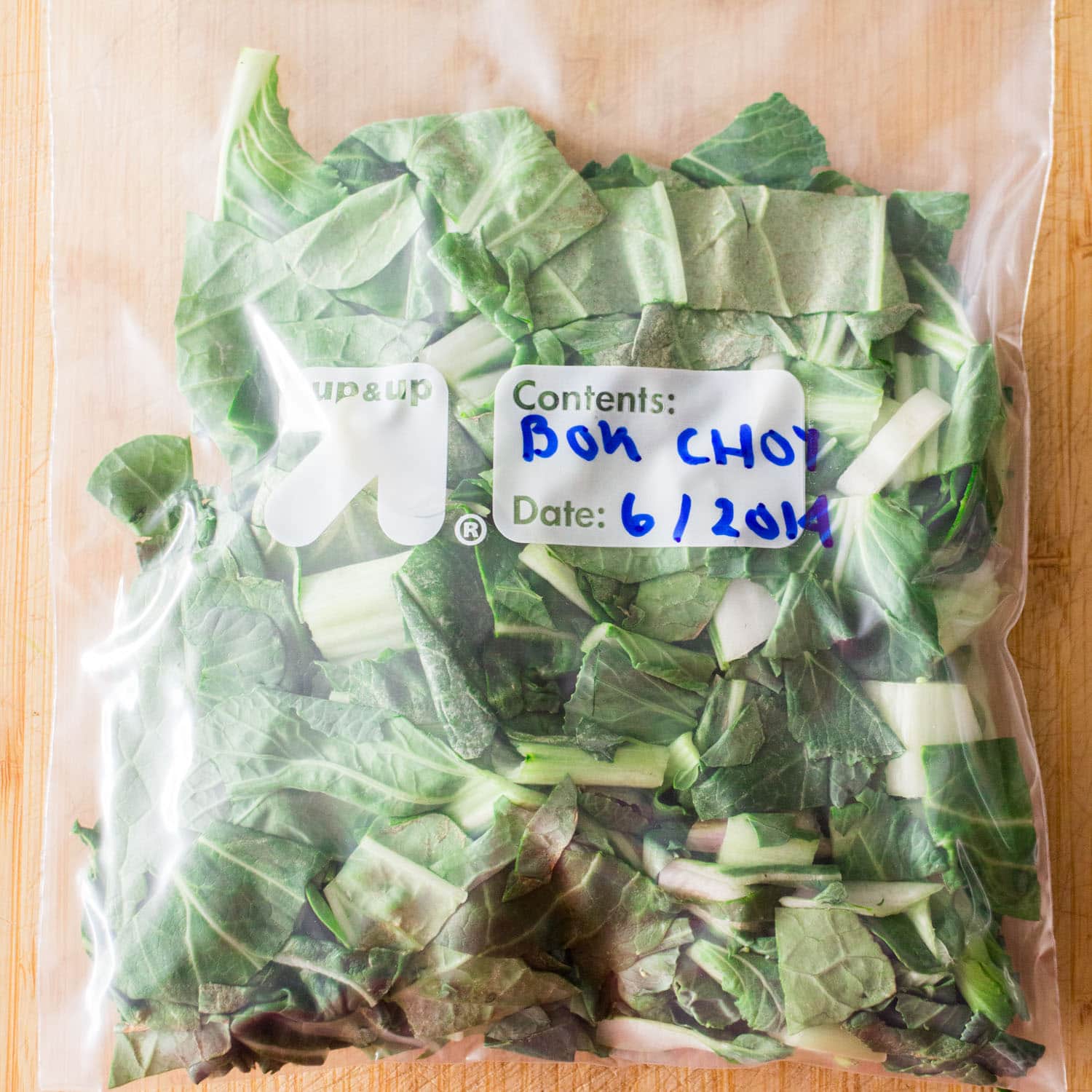
Once flash-frozen, transfer your bok choy to airtight freezer-safe containers or heavy-duty freezer bags.
- Remove Air: If using freezer bags, press out as much air as possible before sealing. A vacuum sealer is ideal for removing virtually all air, drastically extending freezer life and preventing freezer burn.
- Portion Control: Pack in quantities that make sense for your typical recipes. This allows you to grab just what you need without thawing a whole batch.
- Label and Date: Always label your packages with the contents and the date frozen. Properly frozen bok choy can last 6-12 months.
Freezing Cooked Bok Choy: A Note on Leftovers
While the focus is usually on freezing fresh bok choy, you can certainly freeze cooked bok choy as well. If you find yourself with a surplus of a delicious bok choy side dish, don't let it go to waste. Simply allow the cooked bok choy to cool completely before transferring it to an airtight freezer container. Be aware that the texture of previously cooked and frozen bok choy will be significantly softer upon thawing, making it best suited for dishes where texture is less critical, such as soups, stews, casseroles, or blended into sauces. It's a fantastic way to extend the life of leftovers, even if it doesn't maintain the "crisp" factor.
Thawing and Using Your Frozen Bok Choy
The way you thaw and use your frozen bok choy also plays a role in its final texture.
- Cook from Frozen: For most applications, especially stir-fries or sautés, it's best to add frozen bok choy directly to your dish. This minimizes thawing time and helps retain some of its structure.
- Quick Thaw: If you need it thawed for a recipe, you can quickly run it under cold water in a colander. Avoid hot water, which can make it mushy.
- In Soups/Stews: Simply add the frozen bok choy directly to the pot during the last few minutes of cooking.
- Smoothies: Toss frozen bok choy directly into your blender for a nutritious boost.
Remember that frozen bok choy will release more moisture during cooking than fresh, so adjust your cooking methods accordingly. For stir-fries, add it near the end of the cooking process to prevent it from becoming overly soft.
Conclusion
Freezing bok choy is a fantastic way to enjoy this versatile vegetable year-round, significantly reducing food waste and ensuring you always have a healthy option at your fingertips. By following these professional tips – from meticulous cleaning and crucial drying to proper flash-freezing and smart packaging – you can master
how to freeze bok choy without it turning mushy. Whether you choose to blanch or not, the key lies in attention to detail at each step. Embrace these techniques, and you'll unlock the secret to maintaining bok choy's delightful freshness and texture, ready to elevate any meal.