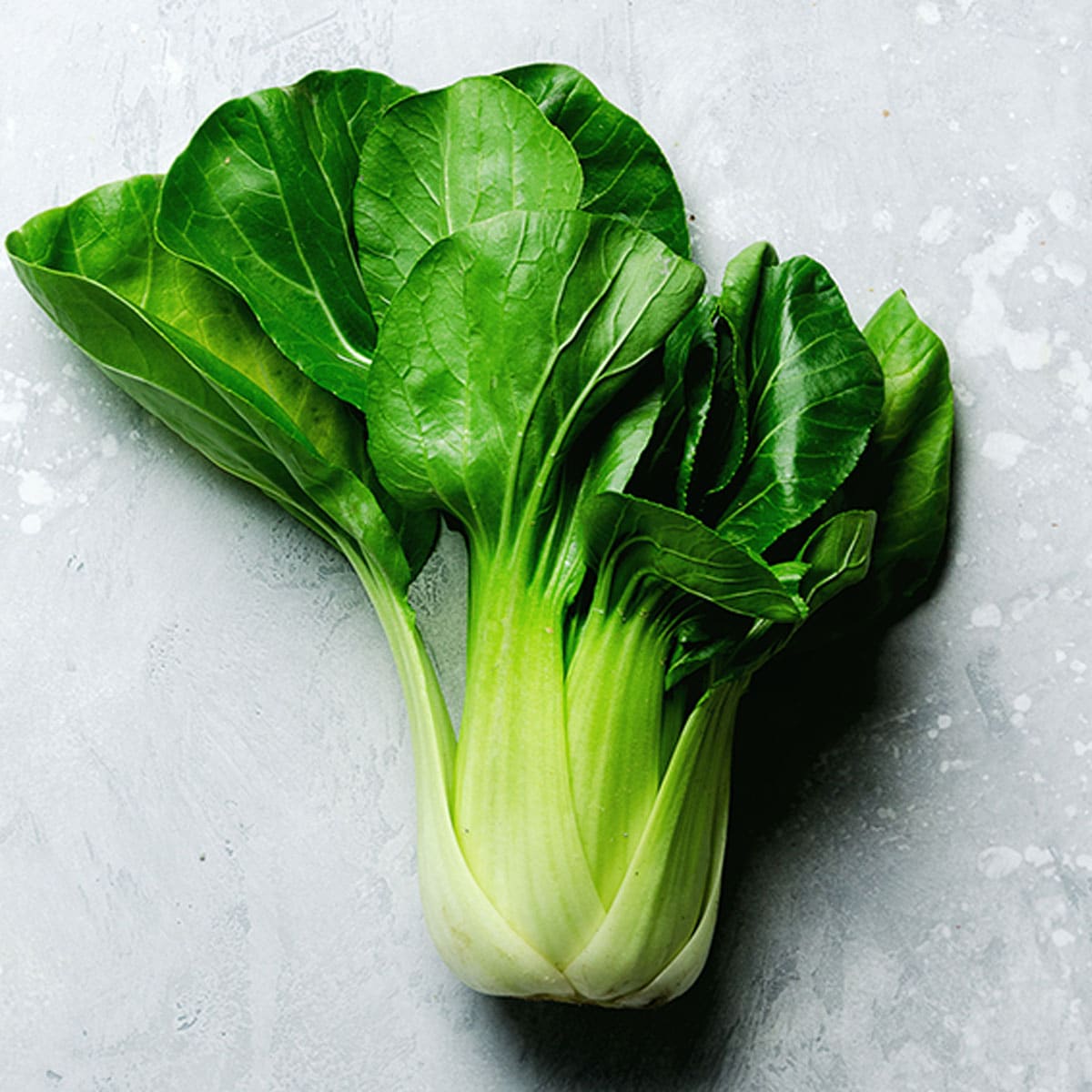
Mastering the Art of Freezing Bok Choy Without It Turning Mushy
Bok choy, with its crisp stalks and tender leaves, is a culinary delight, adding a fresh, slightly peppery flavor to countless dishes. However, like many leafy greens, its shelf life in the refrigerator is fleeting. For those who frequently find themselves with an abundance of this nutritious vegetable – perhaps after an enthusiastic trip to the farmer's market or a bumper harvest from the garden – freezing seems like the perfect solution to prevent waste. The challenge, of course, is how to freeze bok choy without it turning mushy upon thawing, a common pitfall that can ruin its appealing texture.
The good news is that preserving bok choy for future enjoyment is entirely possible, and with the right techniques, you can maintain much of its vibrant color, flavor, and most importantly, its satisfying crispness. This guide will walk you through the essential steps and considerations to ensure your frozen bok choy is always ready to elevate your next meal.
Why Freezing Bok Choy is a Kitchen Game-Changer
Before diving into the "how," let's appreciate the "why." Freezing bok choy is a truly revolutionary trick for home cooks and avid gardeners alike. It transforms a highly perishable ingredient into a convenient, long-lasting staple.
*
Prevent Food Waste: Bok choy spoils quickly. Freezing allows you to save those extra heads that might otherwise wilt and end up in the compost bin. This is especially useful for bulk purchases or garden oversupply.
*
Convenience and Availability: Imagine having fresh-tasting bok choy on hand whenever you need it, regardless of the season or availability at your local store. It saves last-minute grocery runs and allows for spontaneous cooking.
*
Nutrient Preservation: When done correctly, freezing helps lock in the vitamins and minerals that make bok choy such a healthy addition to your diet.
*
Cost-Effective: Buying bok choy when it's in season and freezing it can be more economical than purchasing it off-season.
Many home cooks, myself included, have discovered the joy of having frozen bok choy at their fingertips. It's a testament to the power of smart preservation, ensuring no amount of this delicious vegetable goes to waste.
The Great Debate: To Blanch or Not To Blanch Your Bok Choy
When it comes to freezing vegetables, blanching is often cited as a crucial step. It involves briefly scalding vegetables in boiling water, then rapidly cooling them in ice water. For many vegetables, blanching helps to preserve color, flavor, and texture by halting enzyme action that can lead to spoilage and nutrient loss. However, for bok choy, the advice can be conflicting, making the decision on
Blanching Bok Choy for Freezing: Yes or No? a significant one.
The Case for Blanching
Proponents of blanching bok choy argue that it’s the best way to safeguard its quality over longer periods.
*
Enzyme Inactivation: Blanching effectively stops the enzymatic processes that contribute to degradation of flavor, color, and texture during freezing and storage. This means your bok choy is less likely to develop off-flavors or turn dull.
*
Preserved Color and Texture: For some, blanching helps maintain the vibrant green of the leaves and the crispness of the stalks, preventing a rubbery or overly soft texture upon thawing.
*
Improved Shelf Life: Blanched bok choy tends to fare better in the freezer for extended periods (up to 12 months) compared to unblanched versions.
The key to successful blanching is precision: a quick boil, immediately followed by an ice bath to completely halt the cooking process. If left in hot water for too long, your bok choy will indeed turn mushy.
The Case Against Blanching
Conversely, many experienced freezer enthusiasts advocate strongly against blanching bok choy, especially if maintaining its raw, crisp texture is the priority. Their argument is compelling:
*
Avoiding Unnecessary Cooking: Blanching, by definition, is a form of cooking. Introducing heat and then moisture can be detrimental to the delicate structure of bok choy, potentially making it *more* susceptible to mushiness if not perfectly executed.
*
Simplicity and Purity: For those who want the most natural, untouched form of bok choy in their freezer, skipping the blanching step means less preparation and no risk of overcooking.
*
"Best Results" with Raw Freezing: Some find that unblanched bok choy, when properly cleaned and dried, retains a superior texture after thawing, particularly if it's destined for stir-fries where a slight crunch is desired.
The choice ultimately depends on your priorities for texture and intended use. If you want maximum long-term preservation and don't mind a slightly softer texture for cooked dishes like soups or stews, blanching might be for you. If you prioritize maintaining a closer-to-fresh texture for quick stir-fries and earlier consumption, raw freezing could be the better path. We recommend trying both methods with a small batch to see which yields the results you prefer for your cooking style.
Step-by-Step Guide: How to Freeze Bok Choy Without It Turning Mushy
Regardless of whether you choose to blanch or not, the foundational steps for preparing bok choy for the freezer are crucial. The goal is always to minimize excess moisture and prevent freezer burn.
Method 1: Freezing Unblanched Bok Choy (The "Crisper" Method)
This method is favored by those who believe it yields the best texture and want to avoid any pre-cooking.
1.
Select and Inspect: Choose fresh, firm bok choy. Remove any yellowed leaves, brown spots, or wilted pieces. The fresher the bok choy, the better it will freeze.
2.
Thoroughly Wash: Bok choy can harbor a lot of dirt, especially in its bulbous base and between the stalks. Separate the stalks or cut the head in half lengthwise. Rinse thoroughly under cool running water, making sure to dislodge any soil. For commercially grown bok choy, soaking the entire plant in water for a few minutes can help loosen stubborn dirt.
3.
Dry, Dry, Dry: This is arguably the *most critical step* to prevent mushiness. Any excess moisture will turn into ice crystals, rupturing cell walls and creating a soggy texture upon thawing.
* Use a salad spinner to remove as much water as possible.
* Lay the bok choy pieces out on clean kitchen towels or paper towels. Gently pat them dry.
* Allow them to air dry for an additional hour or two, turning occasionally, to ensure every crevice is moisture-free. A flour sack towel is excellent for this.
4.
Chop (Optional): Decide how you'll use your bok choy. You can freeze whole stalks or chop them into desired sizes (e.g., separating greens from white stalks for different cooking times, or chopping for stir-fries). Freezing in pre-portioned amounts makes future cooking easier.
5.
Flash Freeze: Arrange the dried bok choy pieces in a single layer on a baking sheet lined with parchment paper. Place the baking sheet in the freezer for 1-2 hours, or until the pieces are frozen solid. This prevents them from clumping together, allowing you to easily take out what you need.
6.
Package and Store: Transfer the flash-frozen bok choy to airtight freezer bags or containers. Squeeze out as much air as possible from bags to prevent freezer burn. Label with the date.
Method 2: Freezing Blanched Bok Choy (The "Long-Term" Method)
If you opt for blanching to maximize preservation and longevity, follow these steps:
1.
Preparation: Same as steps 1-4 for unblanched bok choy (select, wash, chop). Ensure pieces are ready for blanching.
2.
Blanching: Bring a large pot of water to a rolling boil. Prepare an ice bath in a large bowl. Carefully immerse the bok choy into the boiling water.
* For chopped leaves/stalks: Blanch for 1-2 minutes.
* For larger pieces/halves: Blanch for 2-3 minutes.
* Avoid overcrowding the pot, blanch in batches if necessary.
3.
Ice Bath: Immediately transfer the blanched bok choy to the ice bath to stop the cooking process. Leave it in the ice bath for the same amount of time it was blanched.
4.
Drain and Dry Thoroughly: Remove the bok choy from the ice bath and drain it extremely well. Gently squeeze out excess water. Again, drying is paramount! Use a salad spinner and pat dry with towels until it's as dry as possible.
5.
Flash Freeze, Package, and Store: Follow steps 5 and 6 from the unblanched method: flash freeze on a baking sheet, then transfer to airtight freezer bags or containers, removing as much air as possible. Label with the date.
For more detailed insights into freezing, check out our guide on
Freeze Bok Choy Like a Pro: Maintain Freshness & Texture.
Tips for Success: Ensuring Your Bok Choy Stays Pristine
No matter which freezing method you choose, a few general best practices will help you achieve the best results and ensure your bok choy doesn't turn mushy:
*
Start with Fresh Bok Choy: The quality of your frozen bok choy is directly proportional to the freshness of the bok choy you start with. Avoid freezing bok choy that is already wilting or discolored.
*
Portion Wisely: Freeze bok choy in amounts that you're likely to use in a single recipe. This prevents refreezing, which can severely degrade quality.
*
Minimize Air Exposure: Air is the enemy of frozen food, leading to freezer burn. Use high-quality freezer bags or vacuum-seal bags and remove as much air as possible.
*
Label Everything: Always label your bags or containers with the contents and the date frozen.
*
Don't Thaw Before Cooking: For best results, especially with unblanched bok choy, add it directly to your cooking from the freezer. Thawing bok choy beforehand often leads to a softer, mushier texture. It works beautifully in stir-fries, soups, stews, or even steamed dishes.
*
Shelf Life: Unblanched bok choy is best used within 3-6 months. Blanched bok choy can last up to 10-12 months in the freezer.
Using Your Frozen Bok Choy
When it's time to use your perfectly frozen bok choy, remember the golden rule:
cook from frozen.
*
Stir-fries: Add frozen bok choy directly to the wok in the last few minutes of cooking.
*
Soups and Stews: Toss it into your simmering pot towards the end of the cooking time to retain some texture and vibrant color.
*
Steamed or Sautéed: You can steam or sauté frozen bok choy directly, though it might release a bit more water.
While frozen bok choy might not have the exact same crisp snap as its fresh counterpart, following these guidelines will ensure you still get a delicious, wholesome vegetable that retains much of its appealing character.
Conclusion
Freezing bok choy is a fantastic way to extend the life of this versatile and healthy vegetable, saving you money and ensuring a steady supply for your culinary adventures. The debate between blanching and not blanching boils down to personal preference and intended use, but the fundamental keys to success remain consistent: starting with fresh produce, meticulous cleaning, and – most importantly – diligent drying to prevent excess moisture. By mastering these techniques, you can confidently freeze bok choy without it turning mushy, enjoying its delightful flavor and texture in your meals for months to come. So go ahead, stock up on bok choy, and never worry about waste again!